CN

Company Committee No. 26 | Legal Controversies and Judicial Practices in Shareholder Qualification Disputes

Source:Guangdong Chenggong Law Firm
Author:Guangdong Chenggong Law Firm
27
05

图片


Preface  


Shareholder qualification serves as the foundation and prerequisite for investors to acquire and exercise shareholder rights and fulfill shareholder obligations. In practice, disputes over shareholder qualification confirmation often arise between shareholders or between shareholders and the company regarding the existence of shareholder qualifications or specific shareholding amounts and proportions.

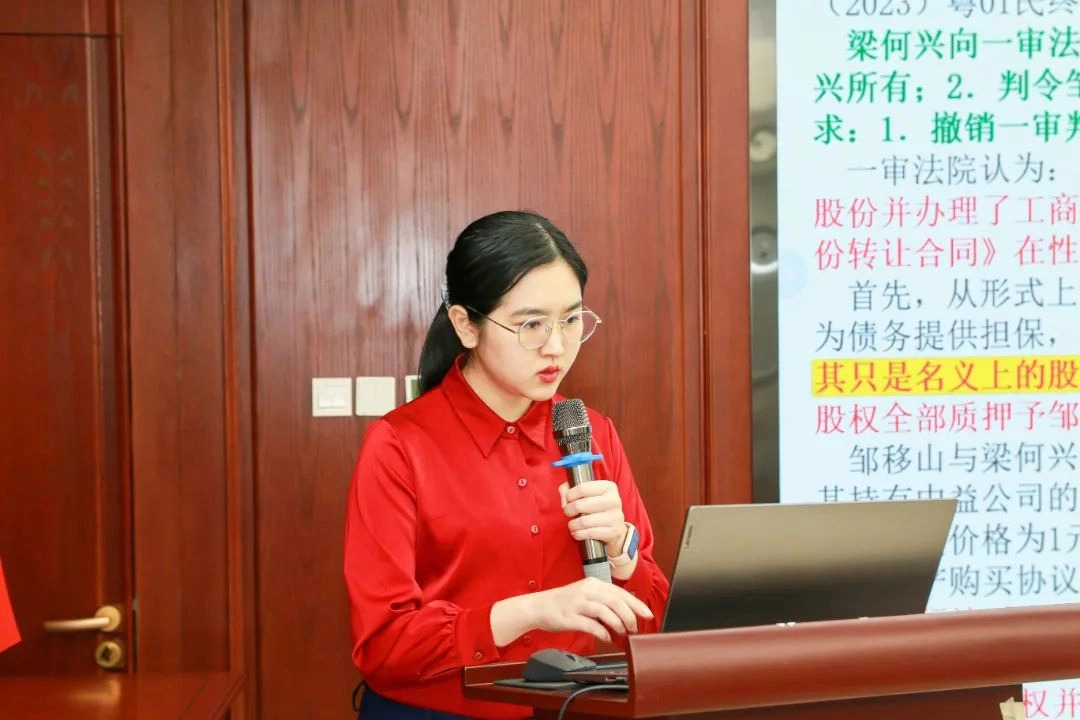
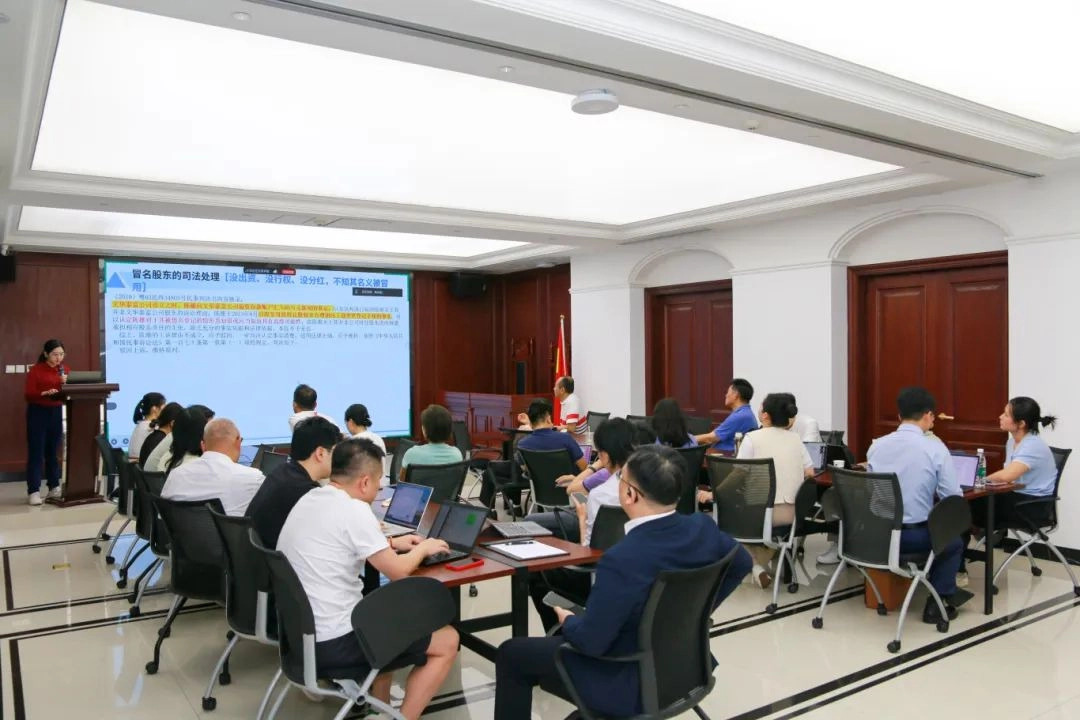
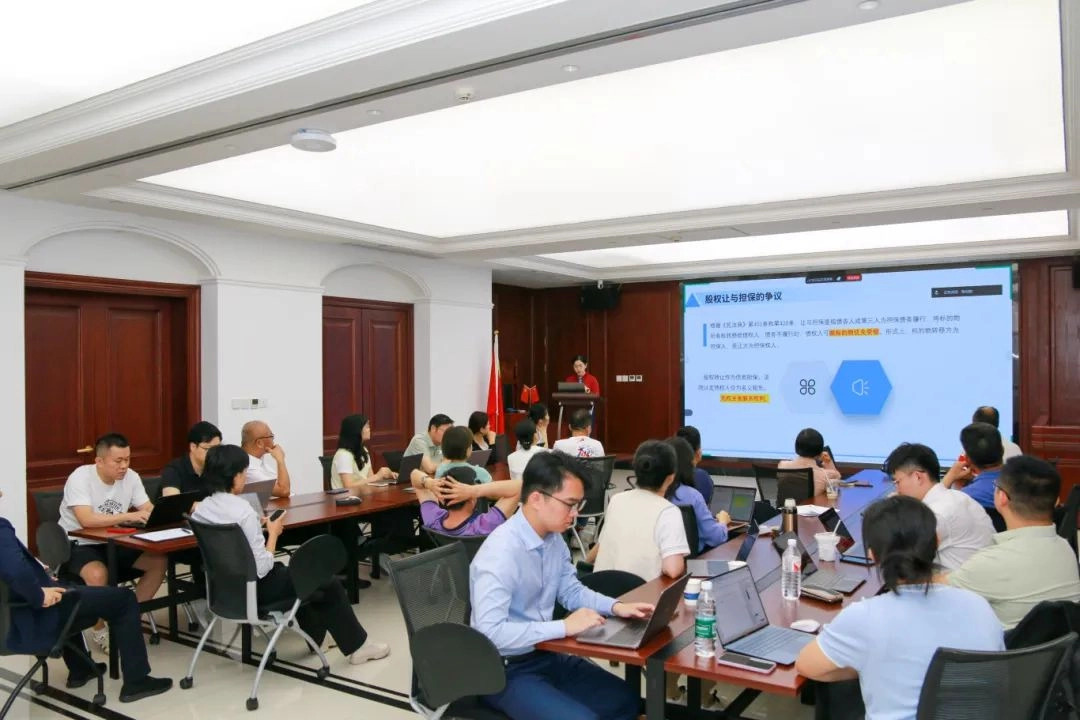
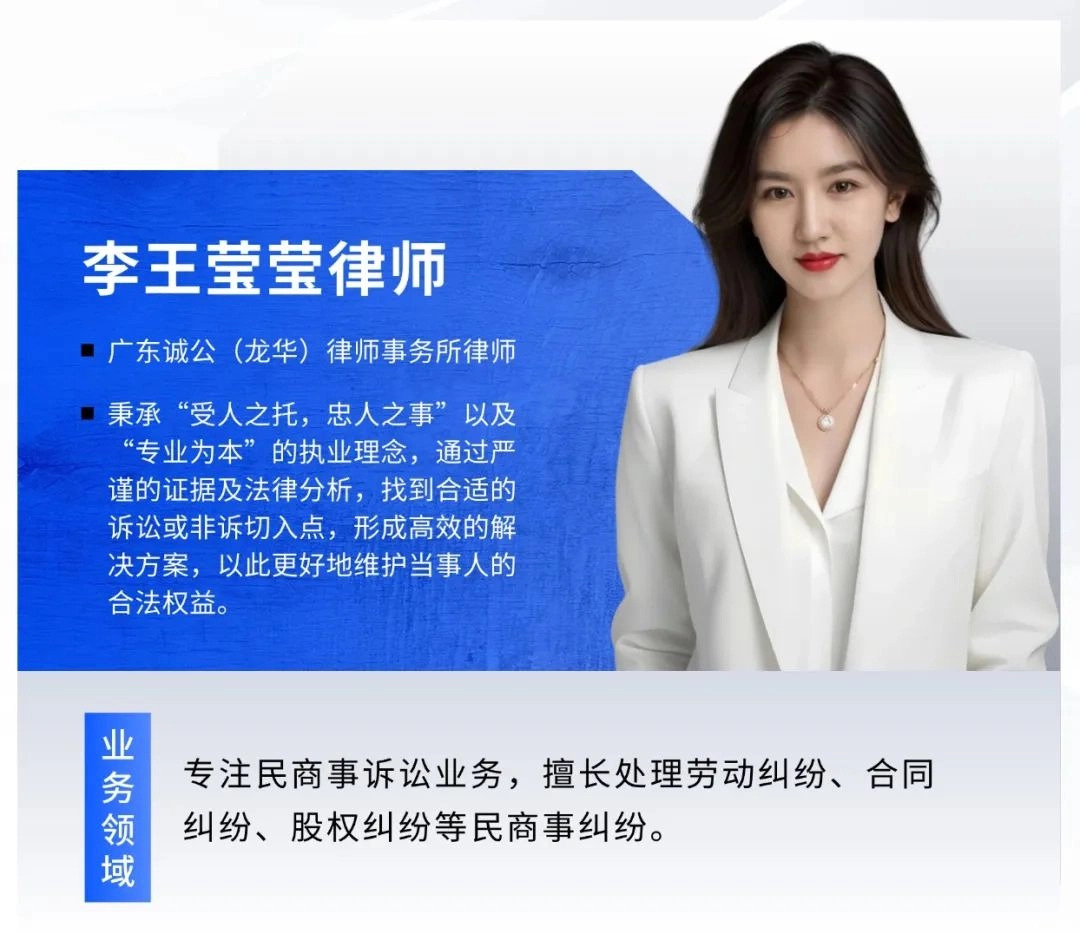
Recently, Li Wangyingying, Member of the Corporate Committee of Guangdong Chenggong Law Firm, delivered a presentation titled Legal Controversies and Judicial Practices in Shareholder Qualification Disputes. Combining typical cases, she comprehensively addressed key aspects including practical disputes, judicial tendencies, risk prevention, and future trends related to shareholder qualification confirmation. The session progressed from foundational to advanced topics, sparking heated discussions among all members of the Corporate Committee.


IMG_0836.jpg


I

Core Dispute Types

I. Undisclosed Shareholder vs. Registered Shareholder Ownership Disputes


— An undisclosed shareholder must prove actual capital contributions and exercise of shareholder rights (e.g., records of participation in corporate decision-making, such as signed shareholder meeting resolutions or dividend records). Otherwise, ownership rights are difficult to establish.


II. Unauthorized Registration (Shareholder Identity Without Consent or Authorization)


— The victim of unauthorized registration must prove "no signature, no capital contribution, and no involvement in management." Failure to do so may lead to a presumption of implied consent or awareness. Courts will assess factors such as whether the nominee holder has a reasonable explanation for possessing the victim’s identity documents and whether there exists a vested interest between them.


III. Legal Boundaries of Equity Holding Through Nominees (e.g., Evading Laws or Financial Regulation)


If the purpose of the nominee agreement is illegal (e.g., evading financial regulation), the agreement is void, and the undisclosed shareholder has no right to seek formal recognition as a registered shareholder (Article 153 of the Civil Code of the People's Republic of China).


IMG_0825.jpg


(IV) Qualification Determination in Special Circumstances Such as Inheritance, Restructuring, Capital Increase, etc.


— Heirs must satisfy the requirements of the company’s articles of association to inherit shareholder qualifications. If there are no prohibitive provisions, equity inheritance may proceed under Article 90 of the Company Law of the People's Republic of China. For historical legacy issues arising from enterprise restructuring, such as disputes over shareholder qualifications involving employee shareholding associations or unconfirmed shares, comprehensive judgment based on specific case circumstances is required.


II
Typical Cases

(I) Determination of Actual Capital Contribution and Exercise of Rights Under Equity Holding Agreements


— Dispute Focus and Court Analysis in Case No. (2023) Yue 0309 Min Chu ***:


1.Whether a genuine equity holding through nominee relationship exists between Plaintiff Hou Mou and Third Party Wang Mouqing:


Firstly, Plaintiff Hou Mou submitted the Equity Holding Agreement signed with Third Party Wang Mouqing and provided the original document for verification. Since Third Party Wang Mouqing, who had actual receipt of the litigation materials in this case, did not raise objections to the Equity Holding Agreement, the court confirmed its authenticity.


Secondly, Plaintiff Hou Mou submitted bank statements showing transfer payments to prove equity contributions and provided Defendant X Company’s shareholder group chat records to demonstrate participation in the company’s management. The above evidence collectively forms a chain of proof to substantiate Plaintiff Hou Mou’s claim of equity holding through nominee.


Therefore, the court established the existence of a genuine equity holding relationship between Plaintiff Hou Mou and Third Party Wang Mouqing.


2.Plaintiff Hou Mou’s claim that an undisclosed shareholder may seek formal recognition in accordance with statutory procedures:


The Minutes of the Meeting involved in this case have been recognized by all shareholders of Defendant X Company, representing the genuine expression of intent among the shareholders. These Minutes shall be binding on all parties. Plaintiff Hou Mou claims to be a shareholder of Defendant X Company holding 20% of the shares based on the aforementioned Minutes of the Meeting and other supporting evidence, which the court supported.In this case, the WeChat group chats and Minutes of the Meeting submitted by Plaintiff Hou Mou sufficiently demonstrate that all shareholders of Defendant X Company did not raise objections to Plaintiff Hou Mou’s exercise of shareholder rights and acknowledged his entitlement to all shareholder rights of Defendant X Company.


(II) Judicial Determination and Handling of Unauthorized Registration (Nominee Shareholders) and Equity Holding Through Nominees


— Fact-Finding and Court’s Analysis in Case No. (2019) Yu03 Min Zhong ***:


The first-instance court found the following facts: [...] On September 6, 2013, the shareholders of W Company registered with the Shenzhen Municipal Market Supervision and Administration Bureau were changed to Gong Mou, Wang Mou, Wang Mou 2, and Ying Mou. Chen Mou confirmed in court that he personally signed the equity transfer documents related to the company. The first-instance court held that [...] since Chen Mou admitted signing the equity transfer documents, his signature constituted confirmation of his shareholder status in W Company. Even if documents such as the Articles of Association, Proof of Shareholder-Appointed Representative or Jointly Entrusted Agent, Legal Representative Information, and Pre-Approval Application for Enterprise Name Reservation were not personally signed by him, his prior confirmation of shareholder status as a founding shareholder of W Company could not be denied based solely on the absence of his signature on these documents.


The second-instance court ascertained the following facts: Third party Liu Moumou had sued Chen Mou and other shareholders registered with the administrative authority for industry and commerce at the establishment of W Company, demanding that Chen Mou bear supplementary compensation liability for the unsatisfied due debts of W Company within the scope of capital contributions he had diverted. The F Court issued a first-instance judgment in this case, determining that "based on Liu Moumou’s application, the F Court obtained transaction records from January 1, 2013, to December 31, 2013, for the RMB capital verification deposit account ending in 8393 opened by W Company at J Bank. The records showed that on January 11, 2013, Gong Mou transferred 6.9 million yuan into this account... Chen Mou... transferred 600,000 yuan respectively, bringing the account balance to 10 million yuan on that date." The court further ruled that Chen Mou should bear supplementary compensation liability within the scope of the principal amount of 600,000 yuan diverted from capital contributions and corresponding interest, for the portion of W Company’s debt to Liu Mou that remained unpaid.


III
Core Judicial Rules Extracted

(I) "Distinguishing Internal and External" Principle
For internal matters (within the company), priority is given to substantive requirements such as capital contributions and implied agreements on nominee holdings. For external matters (creditors), the public record of industrial and commercial registration prevails.
— Article 8 of the Minutes of the Ninth Civil Adjudication Symposium clarifies the distinction between the effectiveness of shareholder registers (internal) and industrial and commercial registrations (external).


(II) "Evidence Chain Supremacy"
Undisclosed shareholders must establish a complete evidence chain of "capital contributions + exercise of rights + recognition by other shareholders." Actual capital contributions must be substantiated through comprehensive evidence such as bank statements, shareholder meeting resolutions, and dividend records. Single pieces of evidence are insufficient for ownership confirmation.


IMG_0831.jpg


IV
Risk Prevention Recommendations and Future Trends

(I) Corporate Compliance Recommendations


1.At the corporate level, refine the articles of association to clarify conditions for obtaining and losing shareholder qualifications. Implement electronic shareholder registers integrated with blockchain technology to enhance transparency in equity changes.


2.At the individual shareholder level, for nominee holding arrangements, execute written nominee agreements and secure majority approval from other shareholders. Avoid using nominee holding to circumvent laws (e.g., financial regulations or foreign investment restrictions).


(II) Future Trends


 Promote the application of blockchain technology in equity registration and administration to achieve "traceable and tamper-proof" equity changes.


For cross-border shareholder qualification disputes involving the application of laws from different jurisdictions, international arbitration mechanisms should be introduced.


Apart from the aforementioned content, Lawyer Li Wangyingying also shared key points on equity transfer as security with all Corporate Committee members and engaged in interactive discussions on issues such as "how to balance creditor protection and the company’s shareholder relational aspect." Committee members also exchanged personal case experiences they had handled.


图片


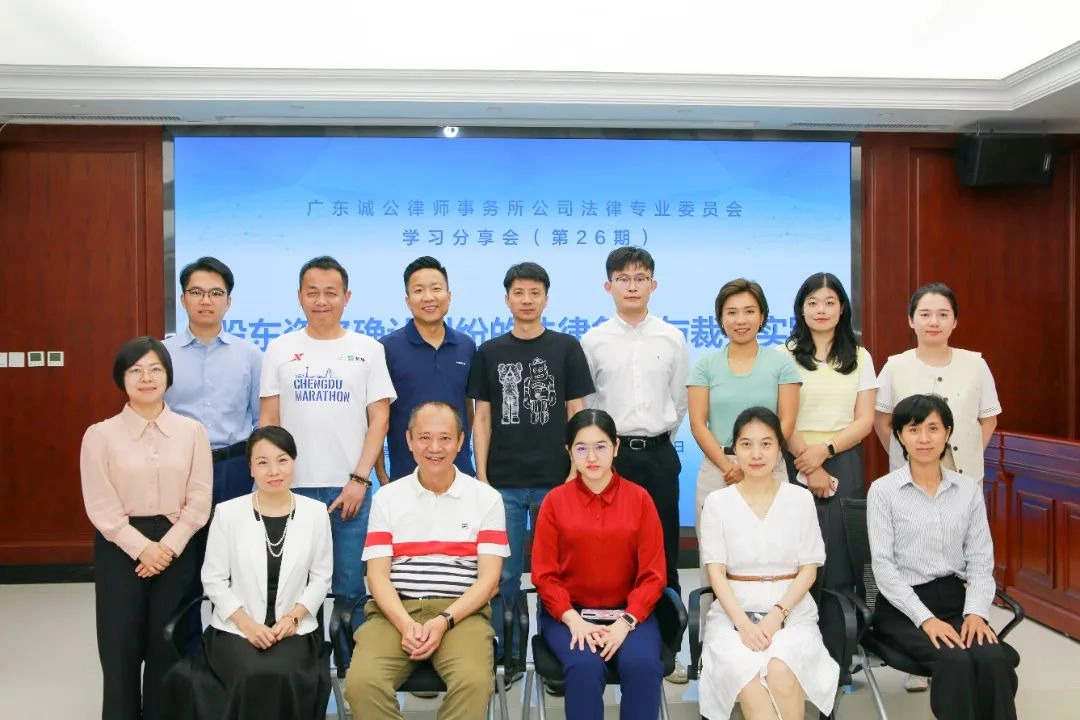
Group Photo Memorial


IMG_0859.jpg


This session's lecturer


金融证券基金人物介绍宣传社交名片朋友圈封面套装(1).jpg