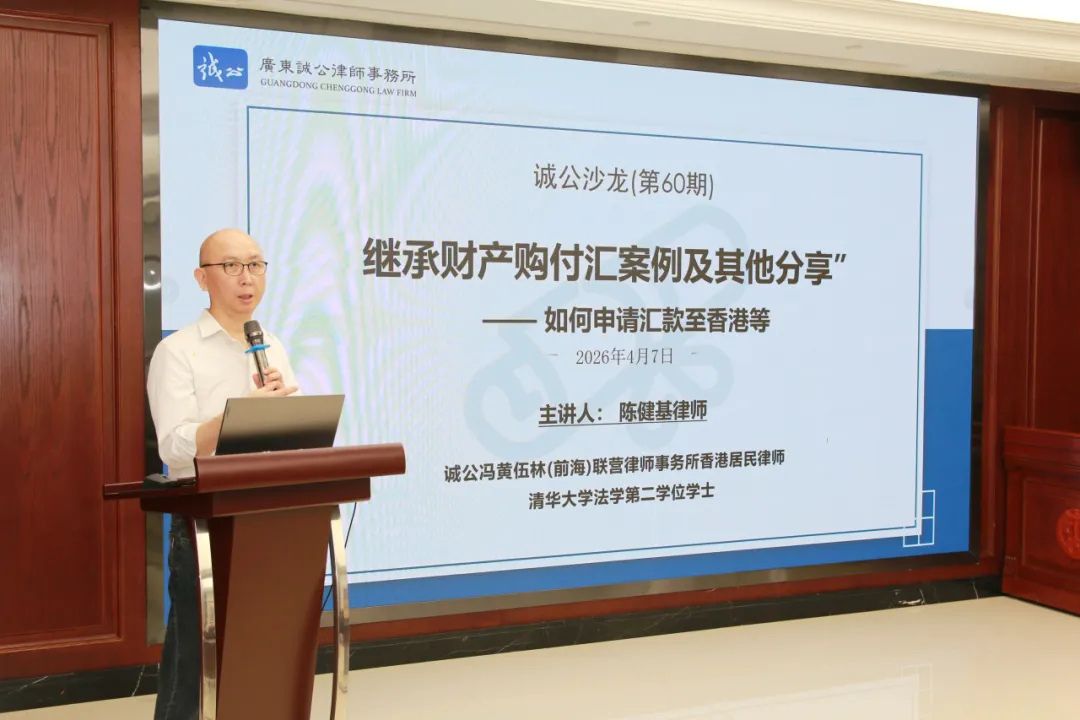
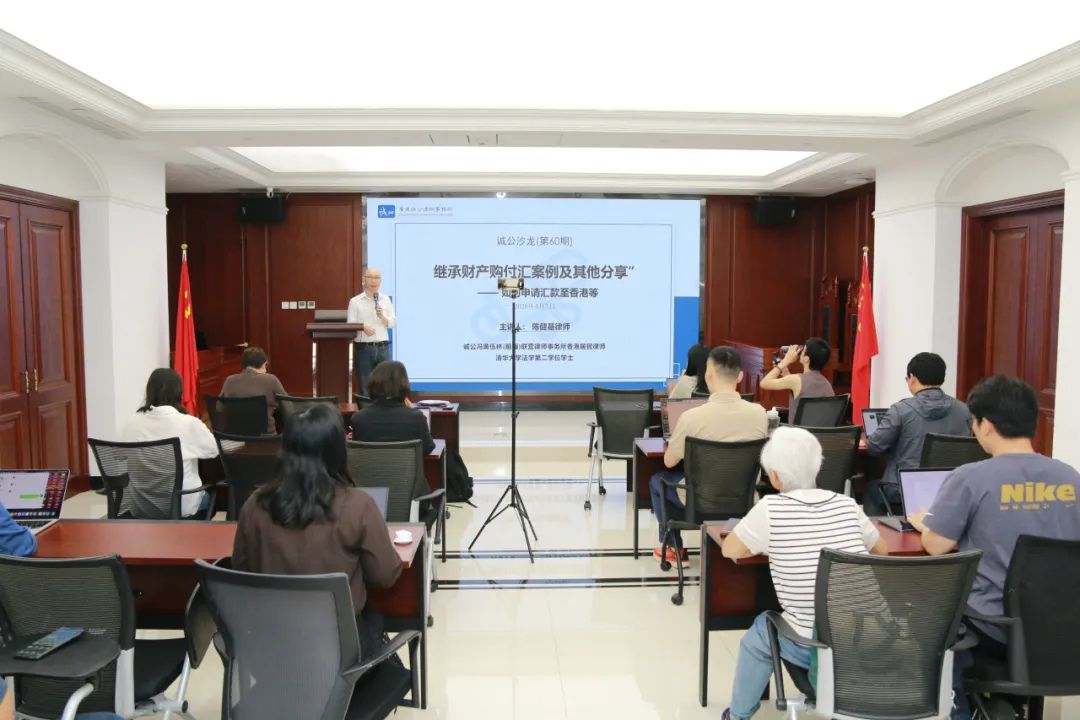
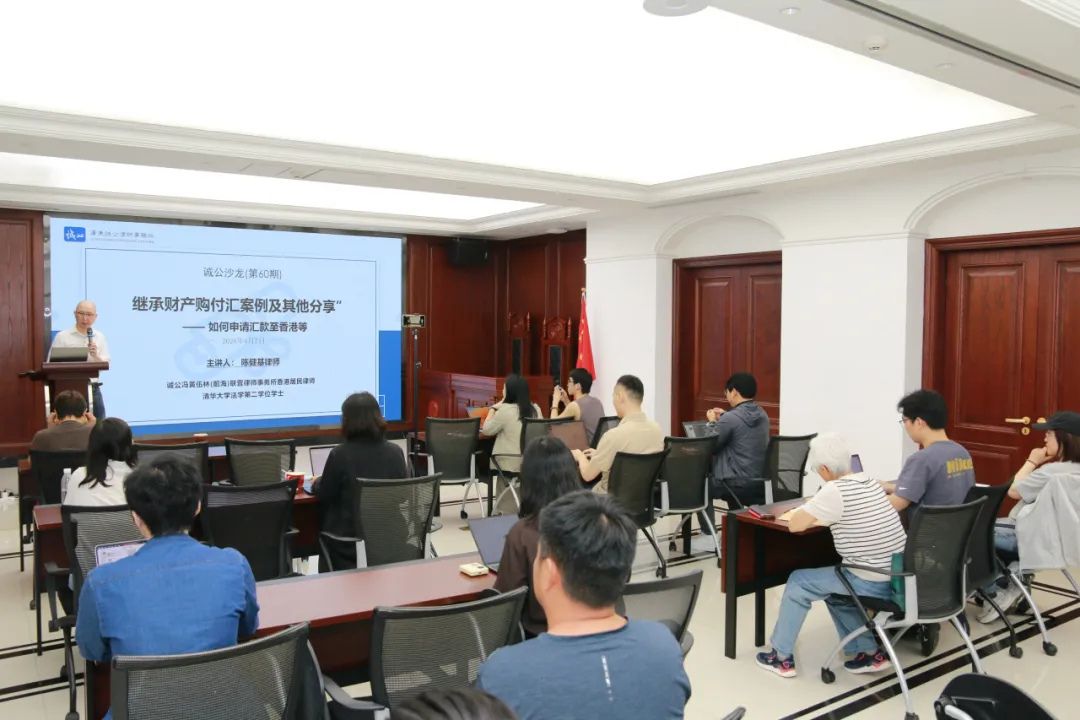
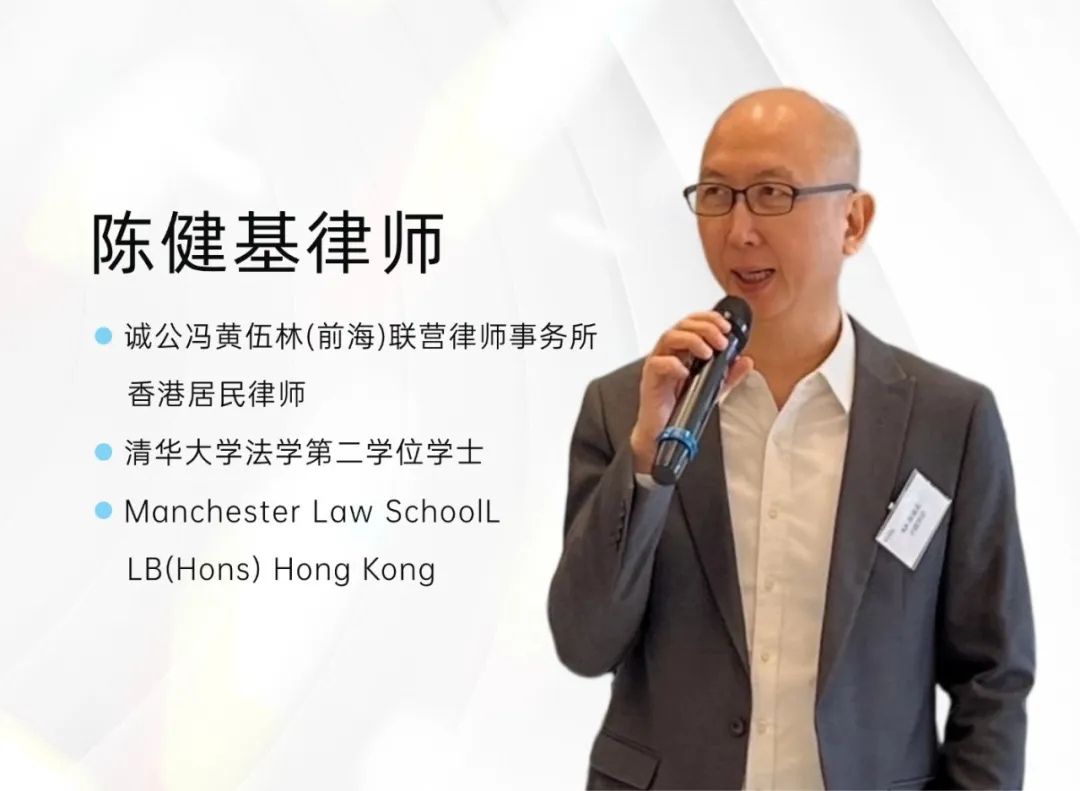
On April 7, 2026, the 60th session of Chenggong Salon held a salon sharing session. This session specially invited Lawyer Chen Jianji (a Hong Kong resident lawyer) from Chenggong Fung Wong Wu Lam (Qianhai) Associated Law Firm as the lecturer. With the theme of "Cases of Purchasing and Remitting Inherited Property and Other Sharing—How to Apply for Remittance to Hong Kong, etc.", Lawyer Chen combined real cases with the latest regulatory requirements and provided an in-depth analysis of the compliant paths for cross-border transfer of inherited property and the prevention of anti-money laundering risks.
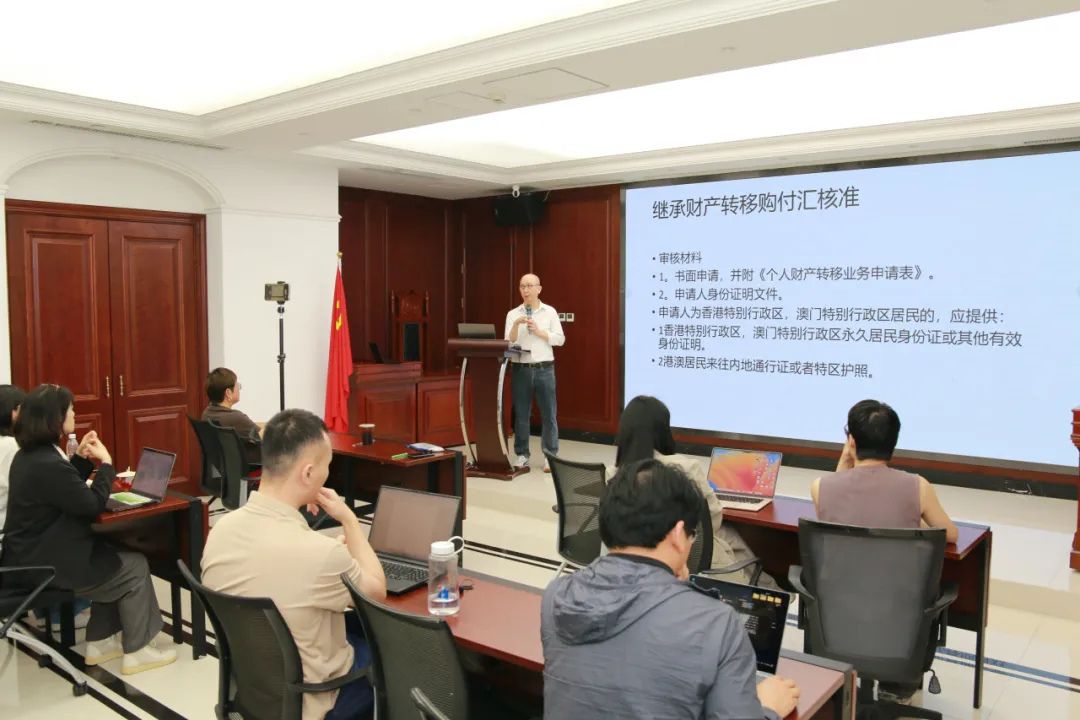
Lawyer Chen Jianji sorted out the core review materials and procedures for the outbound remittance of inherited property (especially to Hong Kong), emphasizing that "complete materials, clear sources, and compliant traceability" are the three key factors for approval.
CHENG
Lawyer Chen shared a real case from a bank in Guangzhou: An applicant obtained a demolished property through inheritance and wanted to remit the funds abroad. During the review, the bank found that the original owner of the property had acquired it through inheritance, but the initial owner and their identity information could not be traced, resulting in a "flaw" in the chain of the property's source. Ultimately, the bank refused to process the fund remittance on the grounds that "the initial situation of the property could not be verified".
CHENG
To help everyone understand the review logic of banks and regulatory authorities, Lawyer Chen also introduced the core elements of the KYC/AML due diligence form for corporate clients: corporate basic information (shareholding structure and ultimate beneficial owners); operational and financial overview (source of funds, locations of customers/suppliers); anti-money laundering compliance information (internal AML policies, compliance officer), and so on.
CHENG
Lawyer Chen specifically cited the ESCC case in the Hong Kong Special Administrative Region in 2025 to warn about criminal risks in cross-border fund handling, stating that conviction cases under Article 25 of Hong Kong's Organized and Serious Crimes Ordinance use an objective standard, without requiring proof of subjective intent. It only requires that "an ordinary person would consider the money being handled has suspicious origins, yet the defendant still proceeds with handling it," which may lead to conviction.
Lawyer Chen used this significant case to warn fellow lawyers that when handling cross-border funds, they must fulfill the duty of reasonable review; otherwise, they may face joint liability risks.
CHENG
This session of Chenggong Salon concluded successfully in a lively Q&A session. Participating lawyers unanimously stated that Lawyer Chen Jianji's sharing, characterized by "real cases, dense practical insights, and strong cautionary value," provided a clear compliance roadmap for handling cross-border inheritance and fund remittance businesses.
C
CHENGGONG
Sharing Lecturer of This Session