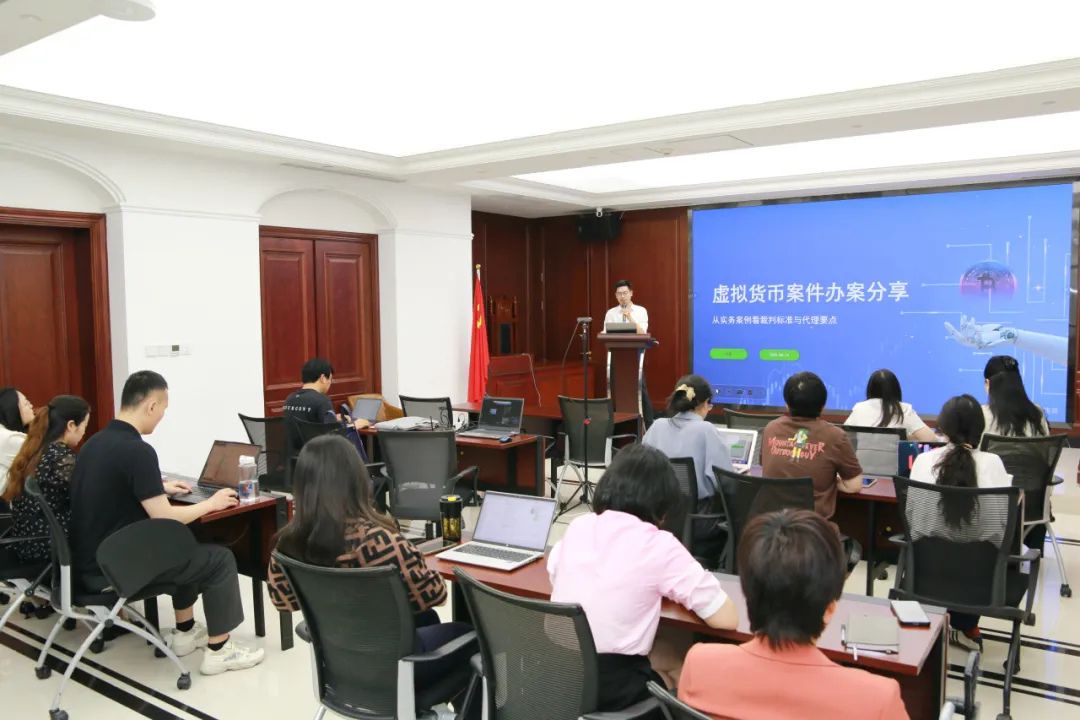
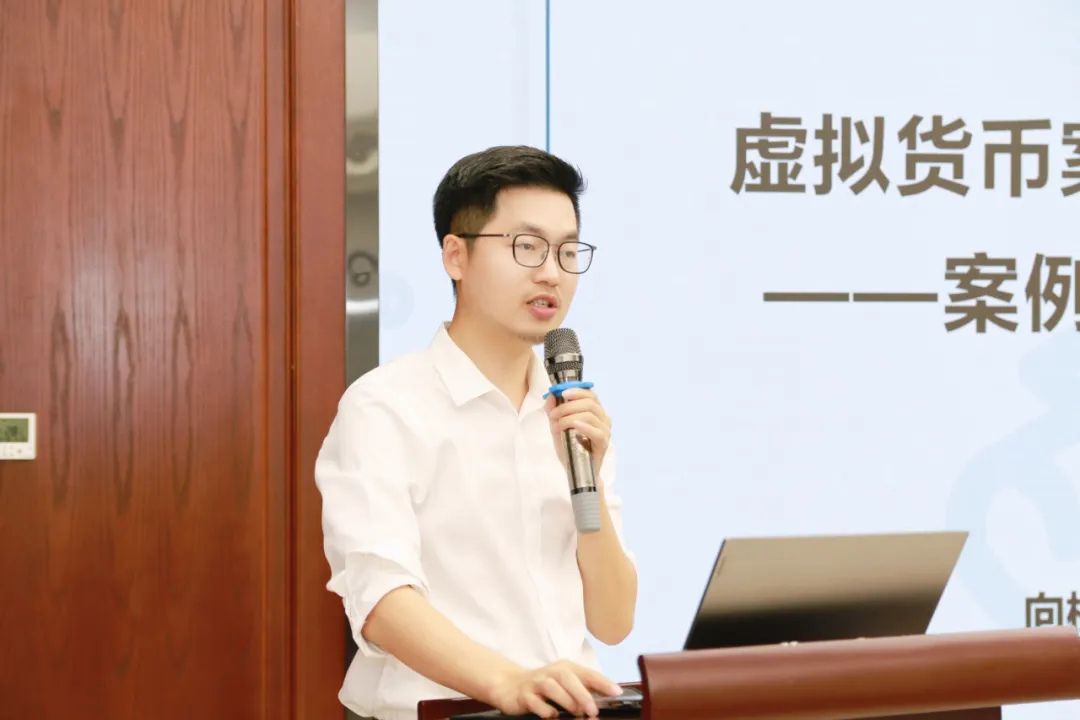
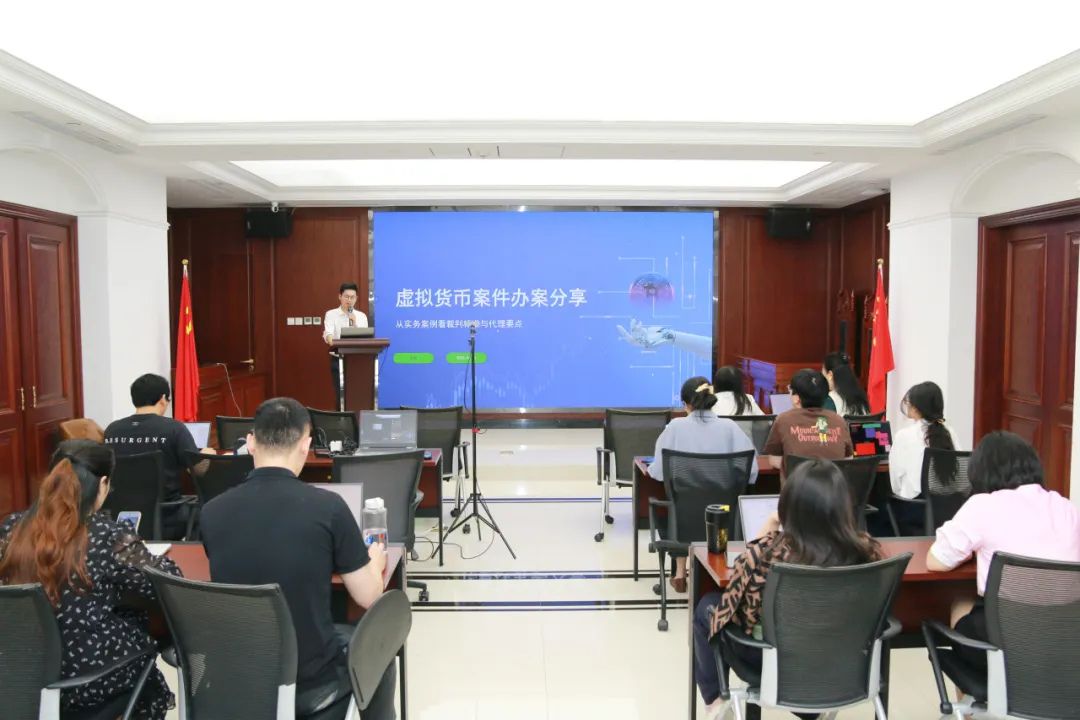
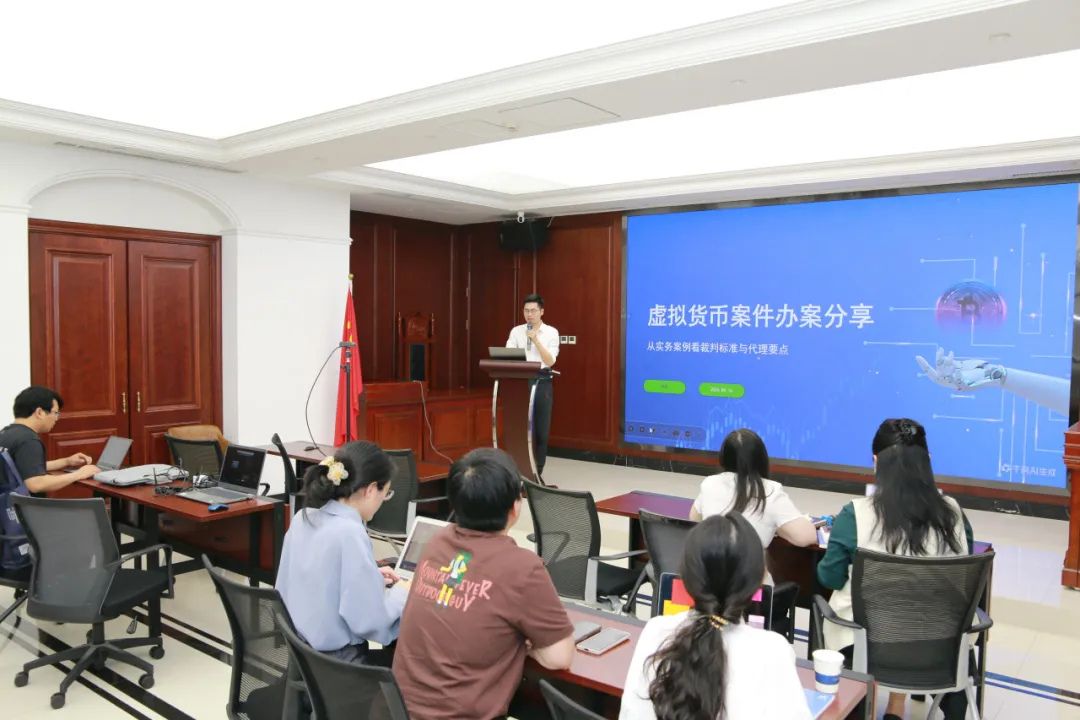
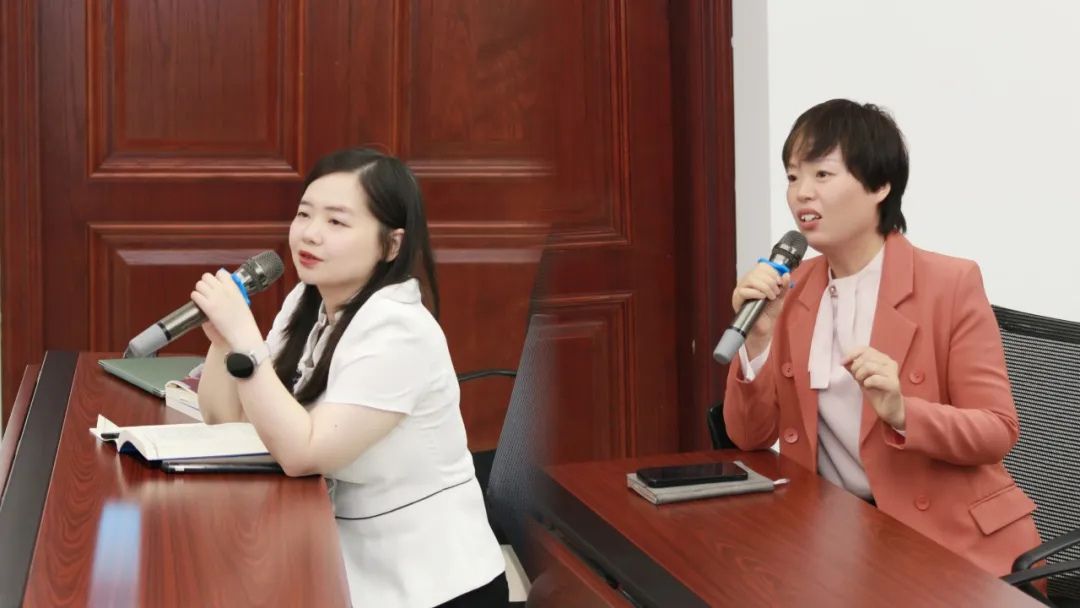
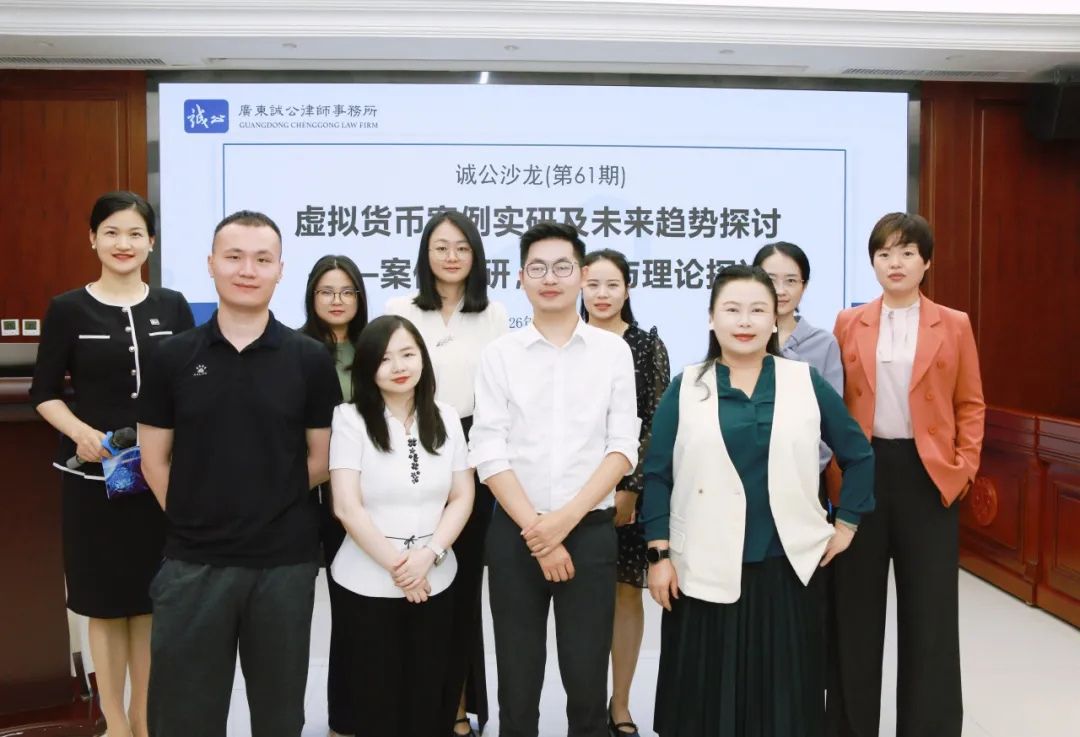
At 3:00 PM on April 16, 2026, the 61st Chenggong Salon, hosted by Chenggong Academy of Guangdong Chenggong Law Firm, was successfully held as scheduled. With the theme "Practical Case Studies on Virtual Currency and Exploration of Future Trends," the salon was delivered by Lawyer Xiang Quan, with Lawyers Ye Weilu and Cheng Quan participating as guest speakers. Drawing on their solid theoretical foundation and extensive practical experience, the three lawyers took recently handled typical cases as blueprints to conduct an in-depth review of adjudication standards, evidence organization, and risk prevention and control in civil cases involving virtual currency, presenting a substantive and insightful practical feast for the attending colleagues.
Review real cases and focus on core disputes.
At the beginning of the salon, the speaker, Lawyer Xiang Quan, first outlined the intricate backgrounds of several related cases involving Jin, Wang, and Gong. Unlike dry theoretical deductions, this sharing directly addressed practical pain points: from Jin's defense against prosecution after his bank card was frozen due to buying and selling USDT, to Wang's contract dispute that ultimately led to a liability judgment for purchasing USDT on behalf of others, and to Gong's dual involving investment in mining machines and USDT purchases.
Through a layer-by-layer analysis of the aforementioned cases, four major focal points of current judicial practice were highlighted: First, the dispute over contract validity, namely whether virtual currency transactions are necessarily invalid due to violations of financial regulatory policies and public order and good morals; second, the determination of payment nature, specifically how to accurately characterize funds as investment payments, loans, or entrusted wealth management funds; third, the undertaking of return liability, referring to the scope of property return after a contract is deemed invalid; fourth, the apportionment of fault liability, concerning the impact of both parties' degrees of fault on loss sharing.
CHENG
解析裁判尺度,厘清法律适用
In the session on "Adjudication Standards and Legal Application," Lawyer Xiang, referencing regulatory documents such as the Announcement on Preventing the Risks of Token Issuance Financing (the "Document No. 24"), elucidated the underlying logic courts use to invalidate contracts. The three lawyers noted that judicial practice generally tends to deem virtual currency transactions as disrupting financial order and harming public interest, thereby negating their civil legal effect.
Regarding the handling of void contracts, the salon focused on the rules for "handling the consequences of invalidity": in principle, property obtained under the contract should be returned, and in most cases, courts support calculating interest losses during the period of fund occupation by reference to the LPR standard for the same period. Furthermore, concerning the legal characterization of "investment" versus "trade," the lawyers emphasized the crucial role of mutual agreement on "sharing profits and risks" in determining an investment relationship, providing clear guidance for characterizing similar cases.
CHENG
Deconstruct the chain of evidence and impart the art of adducing evidence.
"Litigation is all about evidence." This principle is particularly prominent in virtual currency cases. In the section on "Evidence Organization and Key Points of Proof," Lawyer Xiang provided a detailed demonstration for the audience on how to connect isolated electronic evidence into a complete chain of evidence.
Lawyer Xiang emphasized that "locking in the counterparty," "restoring the transaction background," "clarifying the nature of the funds," and "securing the other party's commitments" are the keys to winning a case. By demonstrating how to establish a unique correspondence between transfer records and chat counterparts, and how to capture keywords such as "purchase," "proxy investment," and "refund" in chat logs, he vividly reconstructed the entire process from negotiation and pricing to default and rights protection. Meanwhile, objective materials such as non-prosecution decisions issued by the police and bank statements have also been confirmed by relevant precedents as powerful aids to enhance the persuasiveness of claims.
CHENG
总结办案心得,警示行业风险
In the final segment, "Case Handling Experience and Risk Warnings," Lawyer Xiang candidly shared his practical insights: clarifying the legal relationship is the foundation, digging deep into electronic evidence is the core, paying attention to related cases is the strategy, and making good use of supporting materials is essential.
Lawyers Ye Weilu and Cheng Quan also shared their own case-handling experiences centered on the salon's theme. The three lawyers specifically cautioned that with the continuous tightening of national financial regulatory policies, virtual currency transactions not only face extremely high difficulties in civil rights protection but also easily touch criminal red lines such as illegal business operations and money laundering.
CHENG
This salon was not only an in-depth review of past cases but also a rational reflection on the direction of future business. Attendees unanimously remarked that the sharing was substantive and offered unique perspectives, featuring both macro-level policy interpretations and micro-level operational guidance, which holds significant referential value for expanding emerging business areas and enhancing capabilities in handling complex cases.
CHENG
Moving forward, Guangdong Chenggong Law Firm will continue to adhere to a professional and rigorous approach. Through the platform of the Chenggong Salon, we will consistently deliver high-quality professional content, engaging with legal professionals to discuss practical frontiers and jointly promote the development of the industry.
C
CHENGGONG
Sharing Lecturer of This Session